

Solution
-
 Jul 31/2026
How to Tackle Moderate Water Gushing in Deep Geological Drilling (500–600m Depth)
-
 Jul 30/2026
Geological Drilling & Drilling Fluid Terminology
-
 Jul 30/2026
Distinguishing Hole Contraction and Hole Collapse in Geological Drilling
-
 Jul 28/2026
Comprehensive Guide to Drilling Fluid Key Parameters, Testing Methods & Professional Mud Solutions
-
 Jun 28/2026
4 Key Formation-Specific Drilling Fluid Formulation Strategies for Small-caliber Geological Coring
Distinguishing Hole Contraction and Hole Collapse in Geological Drilling
What You Will Learn from This Blog:
1.Core mechanisms of hole contraction and hole collapse
2.8 practical on-site indicators to distinguish the two issues
3.Quick field mnemonic for instant judgment
4.Real drilling case references
5.Targeted treatment measures for each borehole problem
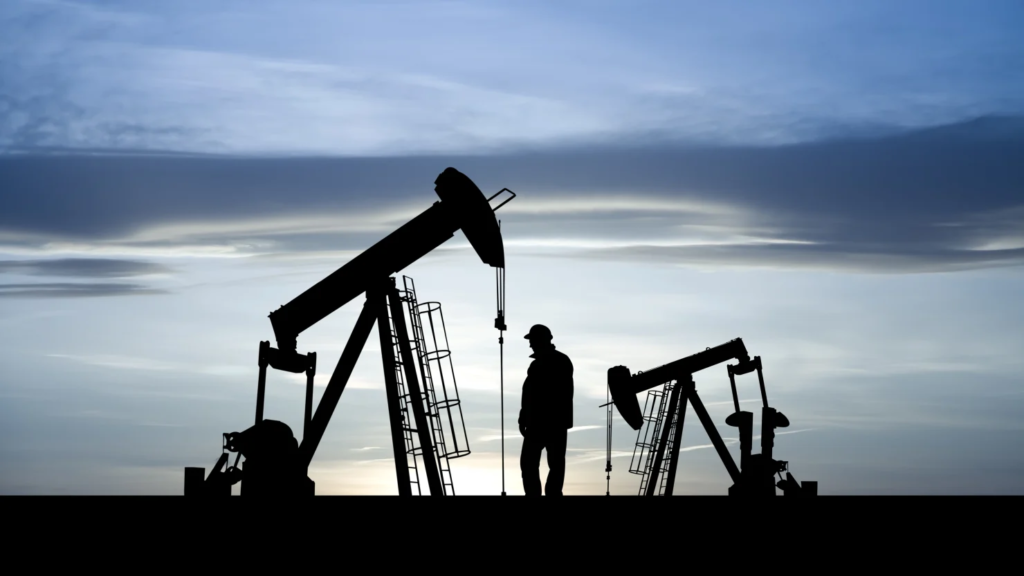
Both conditions share identical surface symptoms: increased rotary torque and standpipe pressure. This guide differentiates them comprehensively based on formation mechanisms, real-time drilling parameters, cuttings returns, tripping resistance and field operational responses.
Fundamental Mechanisms
(1) Hole Contraction (Shrinkage)
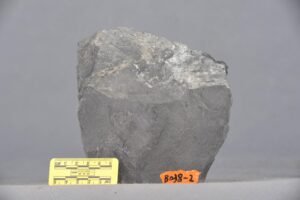
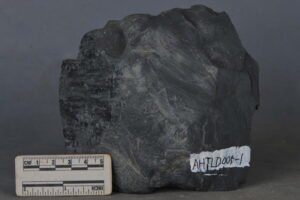
Occurs in water-sensitive swelling or plastic creep formations (mudstone, shale, soft clay, gypsum, salt beds). The borehole wall squeezes inward uniformly, creating a continuously narrowed, smooth wellbore profile. No broken rock fragments are generated; resistance arises from formation clay swelling compressing the drill string.
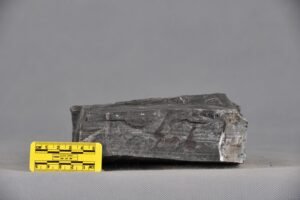 Siliceous-carbonaceous mudstone (Changxing, Zhejiang) |
(Baotou, Inner Mongolia) |
(Tongling, Anhui) |
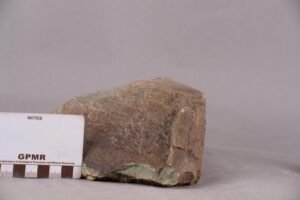
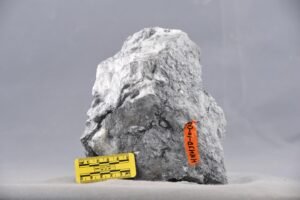
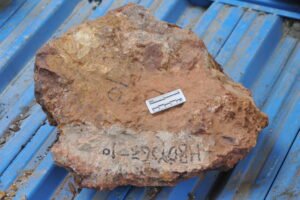
(2) Hole Collapse (Sloughing / Caving)
Takes place in fractured, unconsolidated, poorly cemented strata (weathered broken rock, sand and gravel, fault fracture zones, highly jointed hard rock). The unstable borehole wall caves in, producing abundant angular rock fragments and rubble that accumulate in the annulus or hole bottom. Blockages and stuck pipe are caused by solid rock debris.
|
(Habahe, Xinjiang) |
(Pingjiang, Hunan) |
(Daye, Hubei) |
Eight Key On-Site Differentiation Criteria
① Standpipe Pressure Characteristics (Most Intuitive Indicator)
Hole Contraction
Standpipe pressure rises slowly, steadily and continuously without violent fluctuations.
Pressure remains high even when lifting the bit off bottom for idle circulation, as the entire open-hole section has reduced annular flow area and high friction loss.
Pump startup is smooth; pump lockup or flow cut-off rarely occurs, with balanced inflow and outflow rates at the borehole mouth.
Hole Collapse
Standpipe pressure surges abruptly with violent, erratic swings; severe cases lead to pump lockup and lost mud returns.
If rubble only accumulates at the hole bottom, pressure drops sharply back to normal once the bit is lifted off bottom.
If upper-hole caving creates rubble bridges, pressure stays elevated after lifting the bit, accompanied by drastically reduced mud returns and potential back-spray through the drill string.
② Rotary Torque / Rig Load
Hole Contraction
Torque increases evenly and gradually with consistent rotational drag. Short up-and-down reciprocation of the drill string temporarily lowers torque, with no irregular heavy/light rotation cycles.
Hole Collapse
Torque fluctuates drastically with frequent jolts and grinding noises. Rock fragments wedge between drill pipes and the borehole wall, causing intermittent binding; severe collapse locks rotation entirely.
③ Drilling Cuttings Returns (Definitive Judgment Basis)
Hole Contraction
Returned cuttings are fine, muddy or powdery with no large hard rock chunks. Mud clay content rises while sand content stays low.
Hole Collapse
Vibrating screens and borehole discharge yield massive angular, flaky hard rock fragments of varying sizes. Mud sand content spikes, with thick rubble buildup in mud pits; mud density and gel strength increase noticeably.
④ Weight Indicator / Hook Load (Tripping Resistance)
Hole Contraction
Upward tripping resistance rises uniformly and sustainably with stable hook load growth; equal consistent drag occurs during running in hole. Short reciprocating reaming significantly reduces drag, as smooth contracted sections can be temporarily reamed open.
Extreme contraction creates piston effect with strong negative pressure during pulling out, yet no sudden full lockup.
Hole Collapse
Tripping resistance is irregular and erratic. Sudden tight spots occur during slight pulling or downward jarring against rubble piles. Reciprocating the drill string rarely eliminates drag; large rock bridges completely immobilize the pipe during pulling.
⑤ Drill String Movement & Reaming Test (Field Practical Verification)
Hole Contraction
Reciprocating low-speed rotary reaming drastically cuts torque and standpipe pressure, restoring smooth tripping. Reaming temporarily restores borehole diameter.
Hole Collapse
Continuous rock fragments are produced during reaming; circulation clears debris temporarily, yet caving resumes within minutes once drilling stops. Irregular rubble mounds line the borehole wall, making reaming only a temporary remedy.
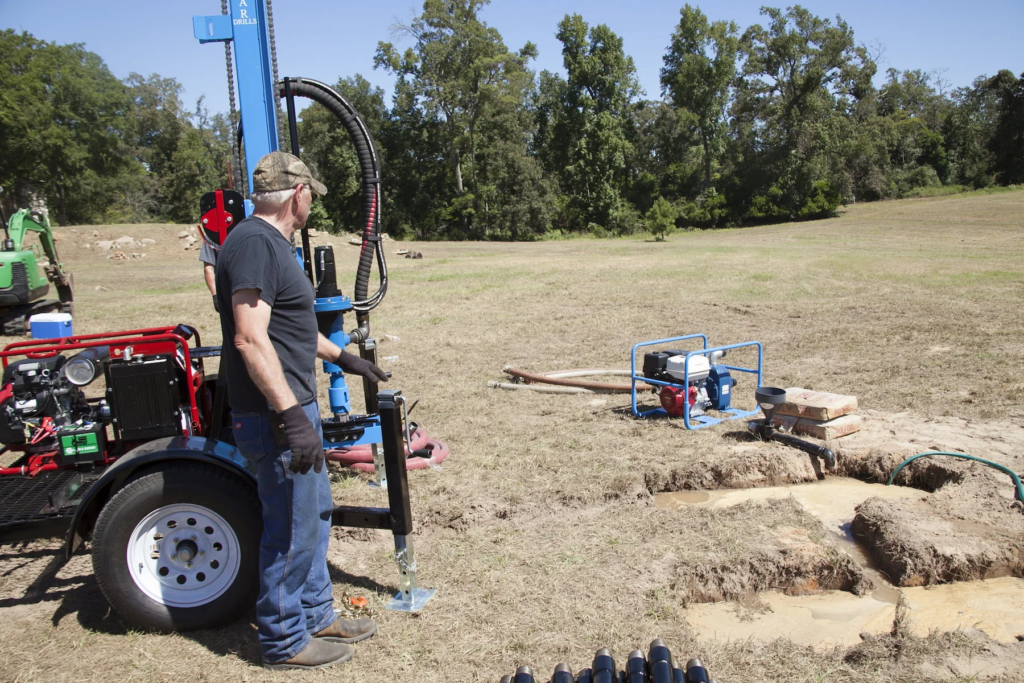
⑥ Stratigraphic Matching Rule (Pre-judgment Supporting Evidence)
Exclusive contraction-prone formations: Mudstone, shale, clay, soft mud, gypsum, salt beds (root cause: water-induced swelling).
Exclusive collapse-prone formations: Weathered fractured rock, fault breccia zones, sand-gravel layers, unconsolidated sandstone, highly jointed hard rock, water-rich loose strata.
⑦ Evolution Trend During Drilling Pauses
Hole Contraction
Longer static open-hole time aggravates swelling, leading to higher drag and pressure upon resumption; no rubble accumulation at hole bottom.
Hole Collapse
Continuous wall sloughing during shutdown thickens bottom-hole rubble, preventing the bit from reaching total depth. Mud level drops frequently with bubbling at the borehole mouth.
⑧ Drilling Fluid Behaviors
Hole Contraction
High fluid loss and thick filter cake form; minimal additional solid rock debris, only dispersed clay particles entering the mud system.
Hole Collapse
Sharp rise in total solids and sand content, rapid rubble sedimentation in mud pits, potential lost circulation and declining mud level.
Concise Field Mnemonic
Steady pressure & torque rise, muddy fine cuttings, drag relieved by reaming → Hole Contraction
Erratic surging pressure, binding fluctuating torque, angular rock rubble, intermittent tight spots → Hole Collapse
Typical Field Cases
Drilling through thick mudstone/shale: Slow pump pressure buildup, no rock fragments, sustained high pressure after lifting bit, drag eased by reaming → Hole Contraction
Drilling into fault fracture zones: Sudden rig binding, screens covered with rock chunks, pressure drops when bit lifted off bottom, tight spots when running in → Hole Collapse
Targeted Remedial Measures After Identification
For Hole Contraction
Adopt inhibition anti-swelling drilling fluid; conduct sectional reaming to enlarge borehole; control mud fluid loss; minimize static open-hole exposure time.
For Hole Collapse
Elevate mud weight and borehole stability performance; increase circulation displacement to improve cuttings carrying capacity; run casing through severely unstable intervals; avoid rapid tripping which induces swab pressure.
Contact Us
Company Name: SanheRunjing Technology Co., Ltd.
Core Business: R&D & production of drilling fluid additives, drilling fluid testing technical guidance, drilling construction technical service
Location: Room 305, 3rd Floor, Building 1, Yard 7, Guangyang New Road, Fangshan District, Beijing, China
Check out other recent news:
Comprehensive Guide to Drilling Fluid Key Parameters, Testing Methods & Professional Mud Solutions
4 Key Formation-Specific Drilling Fluid Formulation Strategies for Small-caliber Geological Coring